
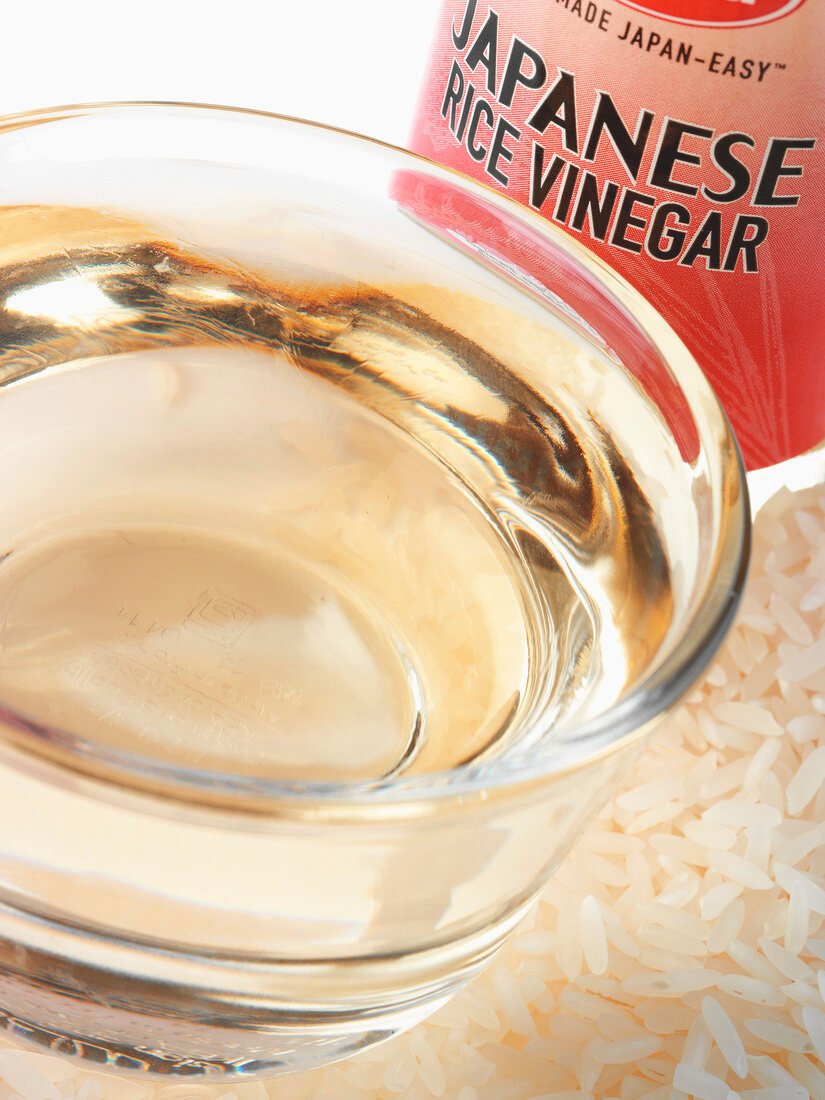
In kitchens around the world, rice vinegar stands as a staple for balancing flavours in Asian-inspired dishes, pickles, dressings, and marinades. Its gentle acidity, subtle sweetness, and faint nutty aroma differentiate it from Western vinegars, making a direct swap risky for novice cooks and even seasoned chefs. As home cooks increasingly explore global flavours, the question arises: what are reliable substitutes for rice vinegar, and how can you preserve the intended balance of a dish?
What makes rice vinegar unique
Rice vinegar is made from fermented rice or rice wine, usually with an alcohol content that ranges from 3% to 7% for culinary varieties. Its flavor profile is milder than most white or apple cider vinegars, with a touch of sweetness—often described as slightly sweet, mildly tangy, and with a clean, light finish. In comparison:
- White distilled vinegar is sharp and aggressively acidic.
- Apple cider vinegar has fruity notes and a stronger tang.
- Champagne or black rice vinegar adds nuanced depth and color, but can alter the dish’s character.
For recipes like sushi rice, stir-fries, pickled cucumbers, or salad dressings, the acidity level and sweetness can be critical to achieving the intended result. A misstep can throw off texture, balance, and even the appearance of a dish.
Top substitutes and how to use them
-
Rice wine vinegar (unseasoned)
- Best for: Closest flavor to plain rice vinegar in most cooking contexts.
- How to use: In a 1:1 ratio, start with the same amount as rice vinegar. Taste and adjust, since some brands may be sweeter or milder.
-
Apple cider vinegar (with a sugar adjustment)
- Best for: A gentle tang in dressings and sauces when a milder tang is acceptable.
- How to use: Use 1 tablespoon plus 1/4 teaspoon sugar per 1 tablespoon of vinegar to mimic the mild sweetness of rice vinegar. If the recipe relies on the subtle sweetness, you may need to add a pinch of sugar or honey.
-
White wine vinegar with a pinch of sugar
- Best for: Dressings and marinades where you want a clean acidity without strong fruit notes.
- How to use: Combine 1 tablespoon white wine vinegar with 1/2 teaspoon sugar to approximate rice vinegar’s balance.
-
Champagne vinegar
- Best for: Delicate sauces, light dressings, and sushi rice seasoning where extra nuance is welcome.
- How to use: Use in a 1:1 ratio, as it’s milder than white vinegar but more refined in aroma.
-
Sherry vinegar or white balsamic (for richer dishes)
- Best for: Dishes where you want depth with a touch of sweetness, such as certain pickles or glazed meats.
- How to use: Start with a smaller amount (¾ of the amount called for) and dilute with water if needed to avoid overpowering acidity.
-
Regular balsamic vinegar (in a pinch)
- Best for: When colour and sweetness are acceptable in non-sushi contexts, such as salad dressings requiring a richer sweetness.
- How to use: Use in a 1:2 ratio (balsamic vinegar to water) to reduce intensity, then adjust with sugar if the recipe needs more sweetness.
Practical tips
- Start with a plan: If the recipe relies on the characteristic flavour of rice vinegar, opt for a direct substitute first. If the textural result depends on the mild sweetness, ensure you compensate with sugar or a sweeter substitute.
- Balance is key: Acidity from rice vinegar is often mild, so adding a little sugar, honey, or mirin can help recreate the gentle sweetness that some brands provide.
- Taste as you go: Add substitutes gradually. Dip a clean spoon into the mixture and taste, adjusting with salt, sugar, or broth to retain seasoning balance.
- Consider the dish’s purpose: For sushi rice, the seasoning typically combines rice vinegar with sugar and salt. If using a substitute, recreate that trio: add sugar and salt to simulate the sweet-salty glaze without overpowering the rice.
Science behind adjustments
- Acids influence not only flavour but also texture and preservation. Too much acidity can seize proteins in marinades or alter the crispness in pickles. Conversely, too little acidity may leave sauces flat and dull.
- Sweetness can tame sharp acidity and bring out a more rounded profile. If your substitute leans toward dryness or fruitiness, balancing with sugar or mirin can help mimic rice vinegar’s characteristic finish.
- Colour and aroma matter: Some substitutes bring stronger colour (like balsamic) or more pronounced aroma, which can alter the dish’s appeal. Choose a substitute that keeps the dish’s visual and aromatic expectations aligned.
Common pitfalls to avoid
- Using straight white vinegar for a rice vinegar substitute can overpower and sharpen the dish, leaving an unbalanced finish.
- Skipping sugar adjustments can leave dimples in mouthfeel and flavour. If you’re aiming for the characteristic mild sweetness, include some sweetener.
- Overcompensating with sweetness can dull the dish or alter colour. Add sweetness gradually and taste often.
Bottom line
Rice vinegar’s distinctive mild acidity and subtle sweetness set it apart from other vinegars, but with thoughtful substitutions and careful balancing, you can achieve nearly the same culinary result. Start with unseasoned rice vinegar when possible, and when you must substitute, adjust sweetness and acidity gradually, tasting as you go. With a little experimentation, you can maintain the dish’s intended texture, aroma, and visual appeal—even when rice vinegar isn’t on hand.
